Cloudron Packaged CalDAV: .well-known/caldav & DNS SRV Principal Auto-Discovery on iPhone & iPad
Technical runbook for Cloudron Packaged CalDAV (Containerized Multi-App CalDAV) focusing on .well-known/caldav & DNS SRV Principal Auto-Discovery in Cloud Calendars for iOS & iPadOS.
1. Protocol Handshake & Principal Topology (Containerized Multi-App CalDAV)
When connecting Cloudron Packaged CalDAV via Containerized Multi-App CalDAV to an iPhone or iPad, reliable calendar rendering depends on how the client negotiates collection discovery, recurrence expansion, and incremental change tokens. Cloud Calendars operates directly over native iOS EventKit and standard WebDAV/CalDAV/ActiveSync transports without routing credentials through a third-party cloud proxy.
| Parameter | Cloudron Packaged CalDAV Specification | Cloud Calendars Handling |
|---|---|---|
| Transport Protocol | Containerized Multi-App CalDAV over TLS 1.2/1.3 | Direct device-to-endpoint socket (0 relay hops) |
| Engineering Focus | .well-known/caldav & DNS SRV Principal Auto-Discovery | Deterministic local SQLite cache + atomic UI diffing |
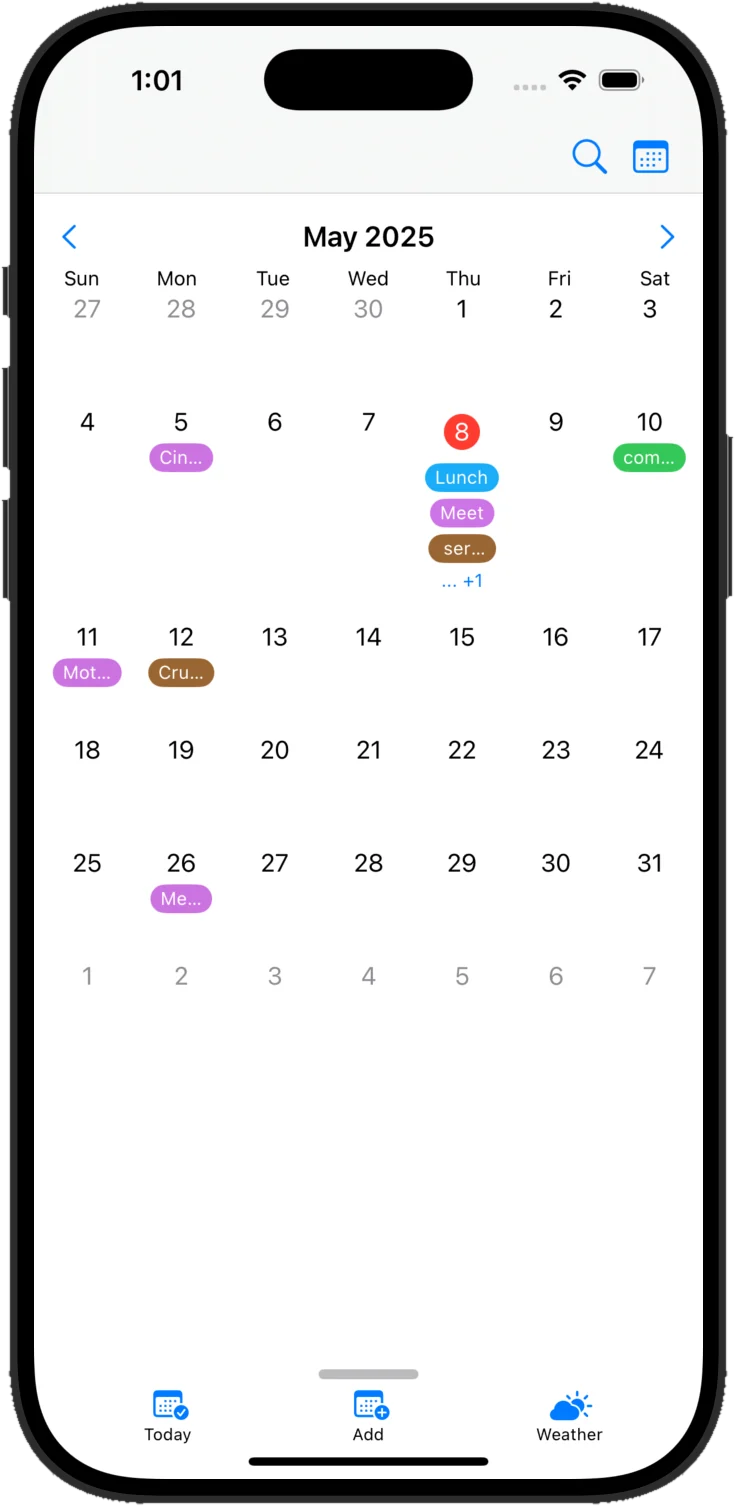
| Recurrence & Exceptions | RFC 5545 RRULE, EXDATE, RECURRENCE-ID | Full local expansion across Single-Day, Multi-Day & Month views |
| Timezone Resolution | IANA Olson ID + embedded VTIMEZONE | Automatic DST boundary clamping & floating-time support |
| Conflict Detection | Cross-account Free/Busy overlap check | Instant visual overlap bars across all active accounts |
2. Step-by-Step Configuration & Diagnostics on iOS 18 / iPadOS 18
Step 1: Provision Endpoint & Auth
Authenticate your Cloudron Packaged CalDAV account using OAuth 2.0 PKCE, MDM managed profile, or a dedicated app-specific password. Verify that the principal URL resolves your primary and delegated calendar collections.
Step 2: Validate Auto-Discovery
Open Cloud Calendars and inspect the Multi-Calendar visibility drawer. Assign a high-contrast color token to each collection from Cloudron Packaged CalDAV so overlapping commitments stand out immediately.
Step 3: Bind Widgets & Alerts
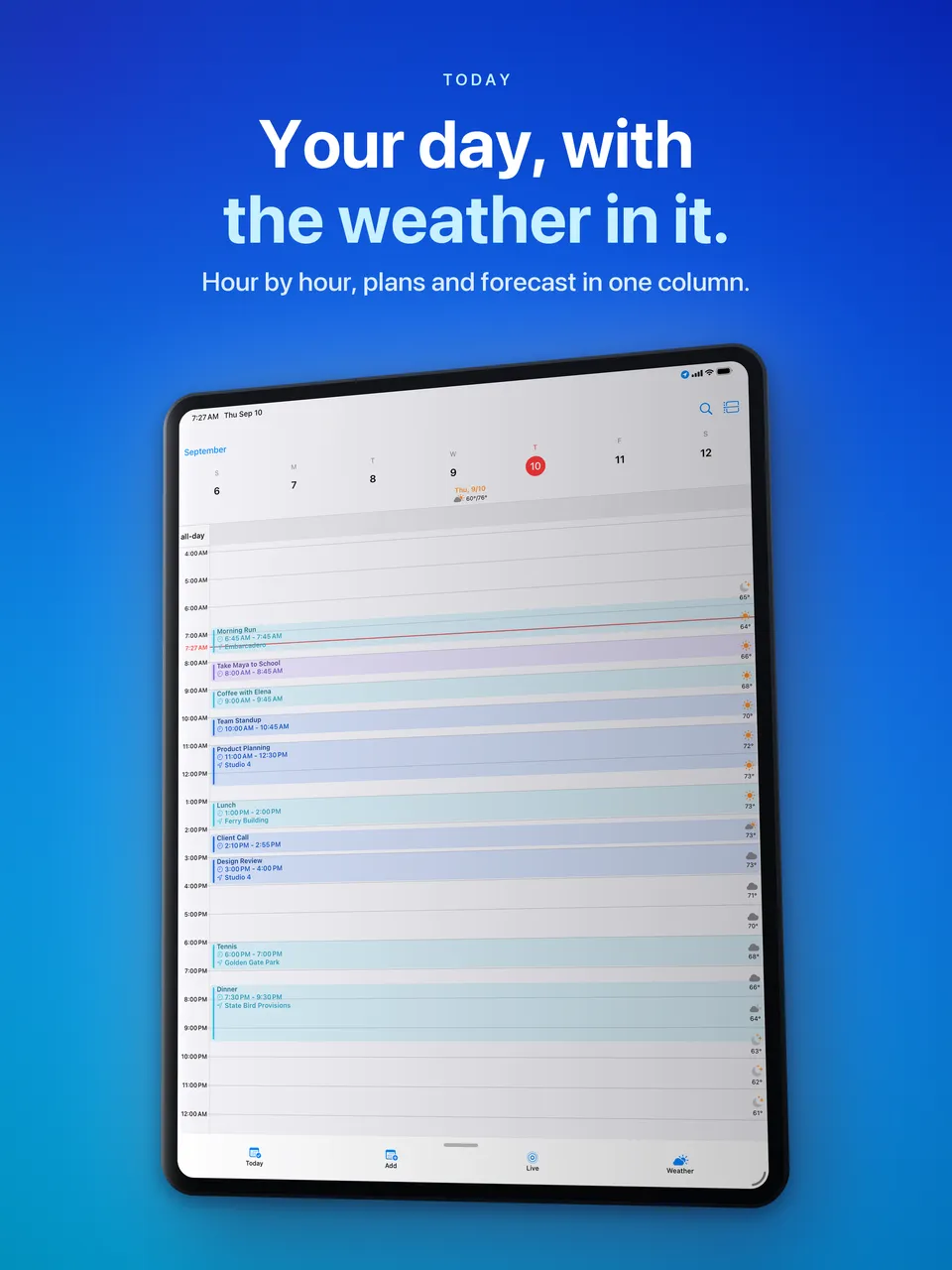
Pin the iOS 18 Home Screen or Lock Screen widget to monitor upcoming events from Cloudron Packaged CalDAV alongside live Apple WeatherKit hourly telemetry.
3. Production Edge Cases & Remediation
In enterprise and self-hosted deployments of Cloudron Packaged CalDAV, the most frequent synchronization anomalies stem from orphaned recurring instances (where an organizer modifies a single occurrence of a series) or mismatched CTag/sync-token responses behind reverse proxies. Cloud Calendars reconciles modified master series and detached exceptions cleanly while preserving your local alert offsets.
Visual Workspace & Live WeatherKit Overlay
Frequently Asked Technical Questions
Does Cloud Calendars relay Cloudron Packaged CalDAV credentials through an external server?
No. Your Cloudron Packaged CalDAV credentials and calendar payloads remain strictly between your iOS/iPadOS device and your Containerized Multi-App CalDAV server.
How does Cloud Calendars handle .well-known/caldav & DNS SRV Principal Auto-Discovery for Cloudron Packaged CalDAV?
It evaluates RFC 5545 rules, VTIMEZONE definitions, and incremental sync tokens locally on device so multi-day and month views update instantaneously.